


















With teenagers constantly connected to the internet and social media, the way they interact with one another has completely changed. Instead of inside jokes being shared only in person, many teens now bond over memes that appear on platforms like TikTok, Instagram, and Snapchat. These short, humorous posts often reflect shared experiences, making them easy to relate to and quick to spread. However, just as fast as memes become popular, they can also lose their appeal.
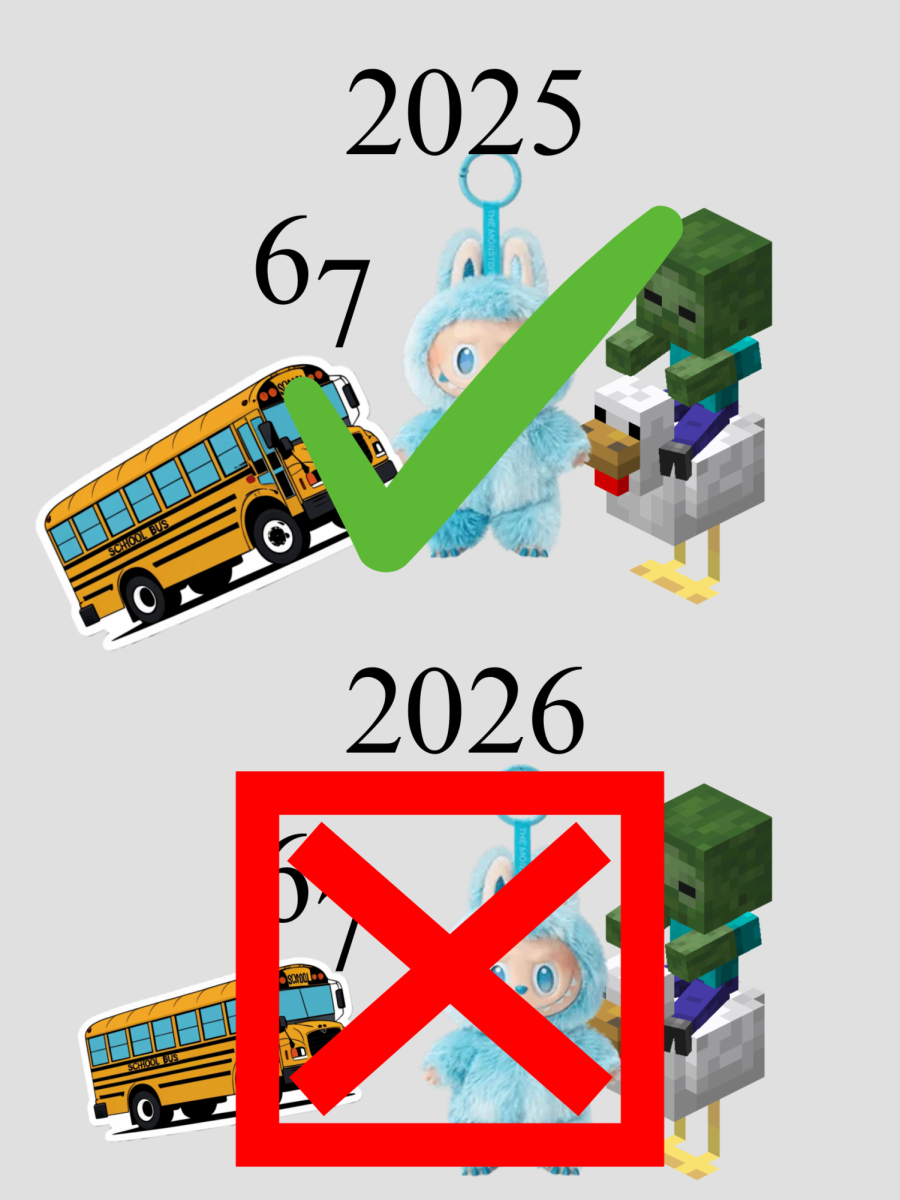
In 2025, countless memes were either invented or revived from past years. While students initially found many of them entertaining, the humor often faded as they were reposted repeatedly and referenced everywhere—from comment sections to group chats. Over time, some students began to feel annoyed by their constant presence. One meme in particular, “six seven,” quickly went from being amusing to overused. As more people repeated it and companies began using it for advertising, many students felt it lost its originality.
“I feel that when brands try to jump in on the trend, that’s when I know the memes are over,” eighth grader Cadence Dantley said.
For many teens, what makes a meme funny is its creativity and originality. When a joke becomes too predictable or overused, it starts to feel forced instead of entertaining. Students explained that constantly repeating the same memes prevents new ideas from emerging. As memes continue to change over time, some believe it is important to let old ones fade away so new trends can take their place. Teenagers are always searching for content that feels current, relatable, and fresh.
“I feel that keeping around certain memes is not allowing others to grow and develop,” freshman Lindsey Bauer said.
Another reason memes are created so frequently is boredom. Many teens turn to memes as a form of entertainment when they have free time, whether they are waiting for class to start or scrolling late at night. When a meme no longer sparks laughter, the internet quickly moves on to something new. This constant cycle of content leads to a never-ending stream of trends that rise and fall in popularity.
“I think there are new memes being made every few days because people have short attention spans and get tired of things easily,” seventh grader Olivia Grianger said.
Even though many memes lose their appeal, some remain popular no matter how old or overused they become. These memes often remain relevant due to their high level of recognition. Students explained that familiar memes can bring a sense of comfort and nostalgia, reminding them of earlier moments on the internet or shared jokes with friends. This recognition allows older memes to continue circulating alongside newer trends.
“A meme I will never get tired of is ‘eating no burger with no honey mustard’ because I feel like it is not super common, and when certain people get it, I feel an instant connection,” sixth grader Kailan Jones said.
While memes help teenagers feel connected through shared humor, many believe it is important to know when it is time to move on. Letting go of old memes makes room for new trends to grow and keeps online spaces interesting. As a new year begins, many teens have collectively decided that some jokes are better left behind. With new content constantly emerging, students agree that memes, like trends, are meant to evolve.