





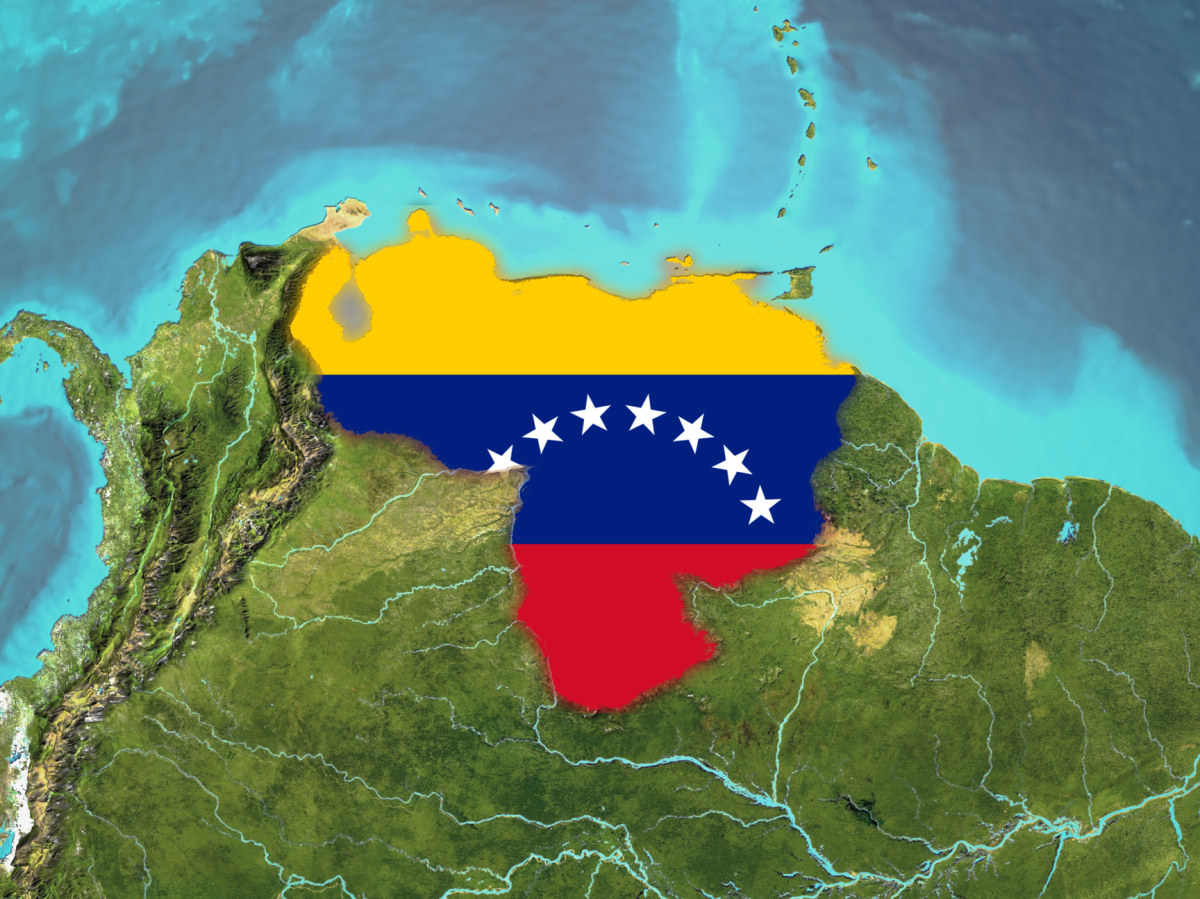
The United States arrested Venezuelan President Nicolás Maduro on Jan. 3, sparking controversy across the nation.
“My first thoughts were, ‘Oh my god, I can’t believe we did that,’ followed immediately by, ‘wait, we’ve done this before. This is not unprecedented,’” social studies teacher Debbie Whetstone said.
The United States has a history of intervening in other countries’ affairs, such as Panama in 1989 and Iraq in 2003. Universally, these have all led to mixed reactions as Americans debate whether the U.S. government should or should not interfere with international issues so closely.
“Most people, from what I’ve seen, agree with going in to [arrest Maduro]. The legality of stating we’re going to stay there and run the country until it’s operating the way [the United States] wants, that’s still up for debate,” Whetstone said.
Despite similar incursions occurring in U.S. history before, this is many Florida High students’ first time experiencing such an event in their lifetimes.
“The only kind of regulated conversation I had [about Venezuela] was in Mrs. Whetstone’s class for AP Government. She’s very passionate about having us talk and consider these kinds of events, especially when they happen, and understanding that history is always happening and how government is applied to current situations,” sophomore Bryce Stewart said. “It was very educational…She helped give background to why our government thinks that they can do stuff like this and why there’s controversy around it.”
Many students are forming their opinions around this divisive topic in the classroom, being informed by what they hear and learn about the situation on campus. For example, junior Judson Vickery has had the opportunity to discuss the major event in his AP U.S. History class and at Debate Club meetings, sharing his thoughts with his peers as well as hearing theirs.
“It’s frustrating that that can just be done, and it can change the lives of hundreds of thousands, if not millions of people overnight,” Vickery said. “The fact that the American people wouldn’t be told about it until after it happened and…it was largely disapproved of should have been a sign not to do it, but it’s frustrating.”
The impact this action will have on the rest of President Donald Trump’s presidency and U.S. foreign policy remains to be seen. While this incident has caused negative reactions, some students feel there will be little resistance to decisions Trump may make in the future.
“Because [Trump] was able to do this and he hasn’t really faced any backlash or real repercussions from the international community, it’s only going to embolden him to do similar things, like for example what he’s trying to do in Greenland,” Stewart said.
Within the U.S. government, there is already disagreement regarding whether American troops can and should be on Venezuelan soil. While Congress has the sole power to declare war, some feel that this invasion does not qualify as a war and is therefore legal for Trump to authorize.
“There’s a constitutional gray area in terms of separation of powers and checks and balances. Who has the right to do what militarily? Declaring war is very specific, but we didn’t declare war,” Whetstone said. “We went in, we got Maduro, we came out. What role the commander-in-chief is, what they do, that’s grayer…It might come down to the Supreme Court.”
With Trump expressing plans for U.S. troops to remain in Venezuela to take advantage of its oil reserves, there will likely be lasting effects on the oil industry both domestically and internationally. Many things remain to be seen as this situation develops, from how involved Trump plans to be in the aftermath to how Venezuela possibly stabilizes afterwards. Regardless, the rift between non-interventionists and those who support the invasion will likely have a significant influence on both international and American politics.