
















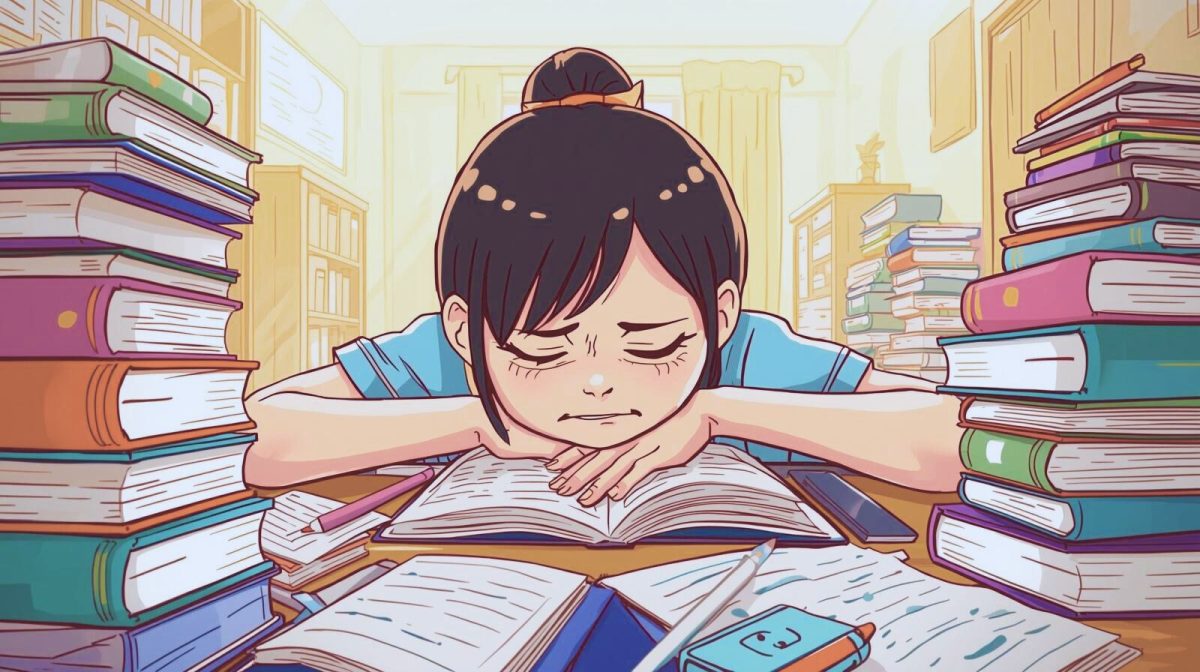







Procrastination is a common struggle that affects people of all ages, especially students. The habit of delaying important tasks, often until the last minute, can lead to stress, missed opportunities and lower quality work.
“Many people may not have the mindset or motivation to keep pushing,” sophomore Anthony Alas said.
Other factors that lead to procrastination could be anxiety, a lack of interest, desire for perfectionism or even simply being overwhelmed with the workload. Procrastination is a consistent struggle amongst many, often affecting people’s daily lives.
“It causes people to be unorganized at a young age,” senior Yaliene Silva said. “When you get into a higher level of education or a job, you have to be able to maintain a balance between your social life and school life. In order to do that, you have to set boundaries for certain deadlines.”
For some, it is less of a physical obstacle and more of a mental challenge. Students go through this all the time.
“Some people might be too scared to accomplish what they need to do,” sophomore Chelsey-Love Kimble said.
Procrastination is more than just laziness; it is a complex issue that affects many students. It often takes conscious effort and considerable work to escape the slump of procrastination. However, there are techniques for breaking this bad habit.
“Learning to manage distractions is essential for maintaining balance in life, especially as academic and professional responsibilities increase,” Silva said.
Procrastination can be taken care of by taking steps to help yourself, understanding why you’re procrastinating. Making the tasks smaller and having shorter timed work bursts are some ways to help stay on task. Changing the environment around you, like clearing clutter and having nothing to distract you, can also help you stay focused and motivated.