















As winter fades and the temperatures begin to rise, pollen season is closing in: a time of year that brings both benefits and challenges. While many welcome the colorful flowers and pleasant weather, others prepare for the annual struggle with seasonal allergies.
Pollen plays a key role in plant growth, helping trees, grass and flowers grow. This process supports local ecosystems and agriculture, allowing crops and plants to thrive.
“Pollen season is a really pretty time of the year because all of the flowers and plants start blooming,” sophomore Lilly Traft said.
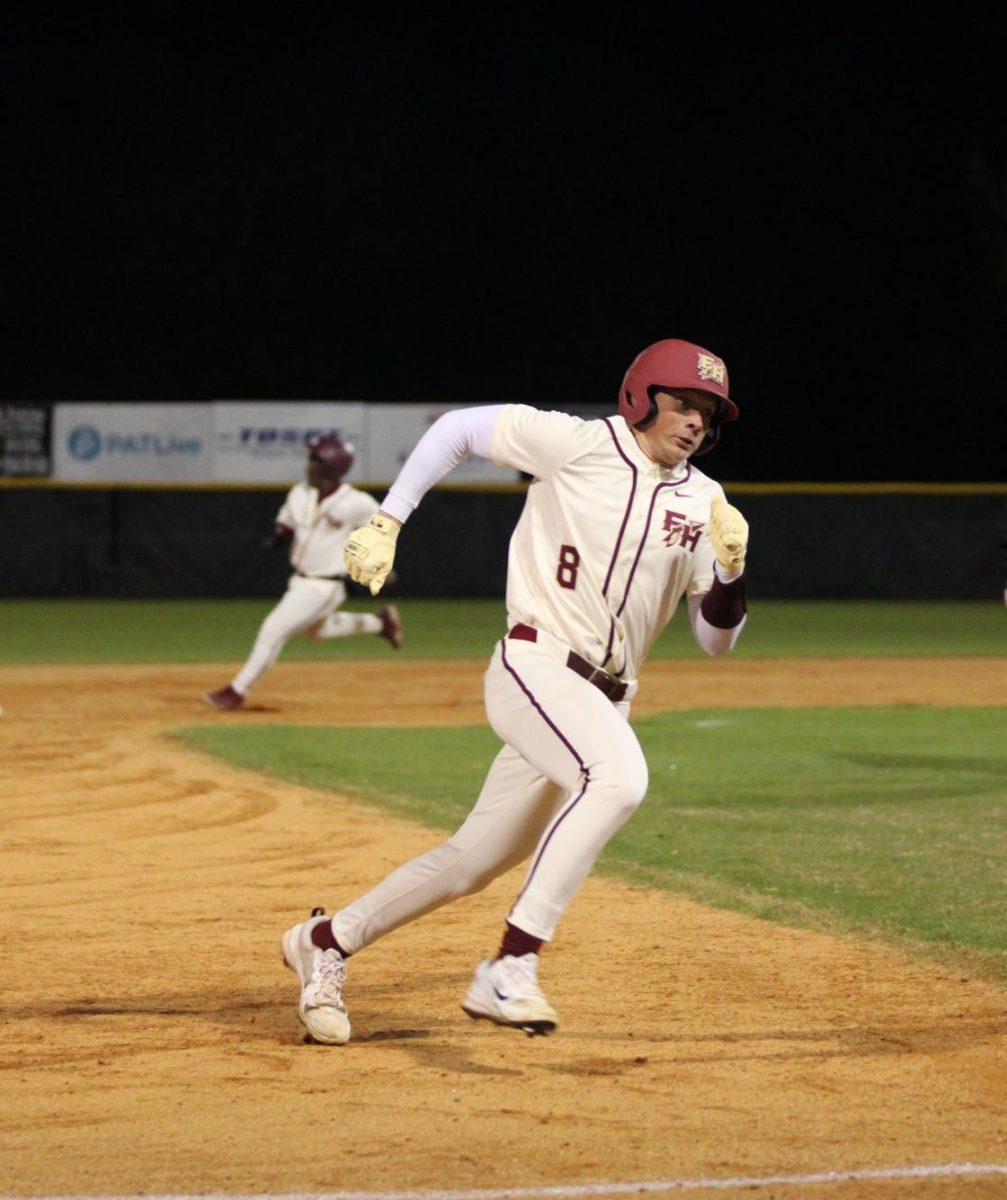
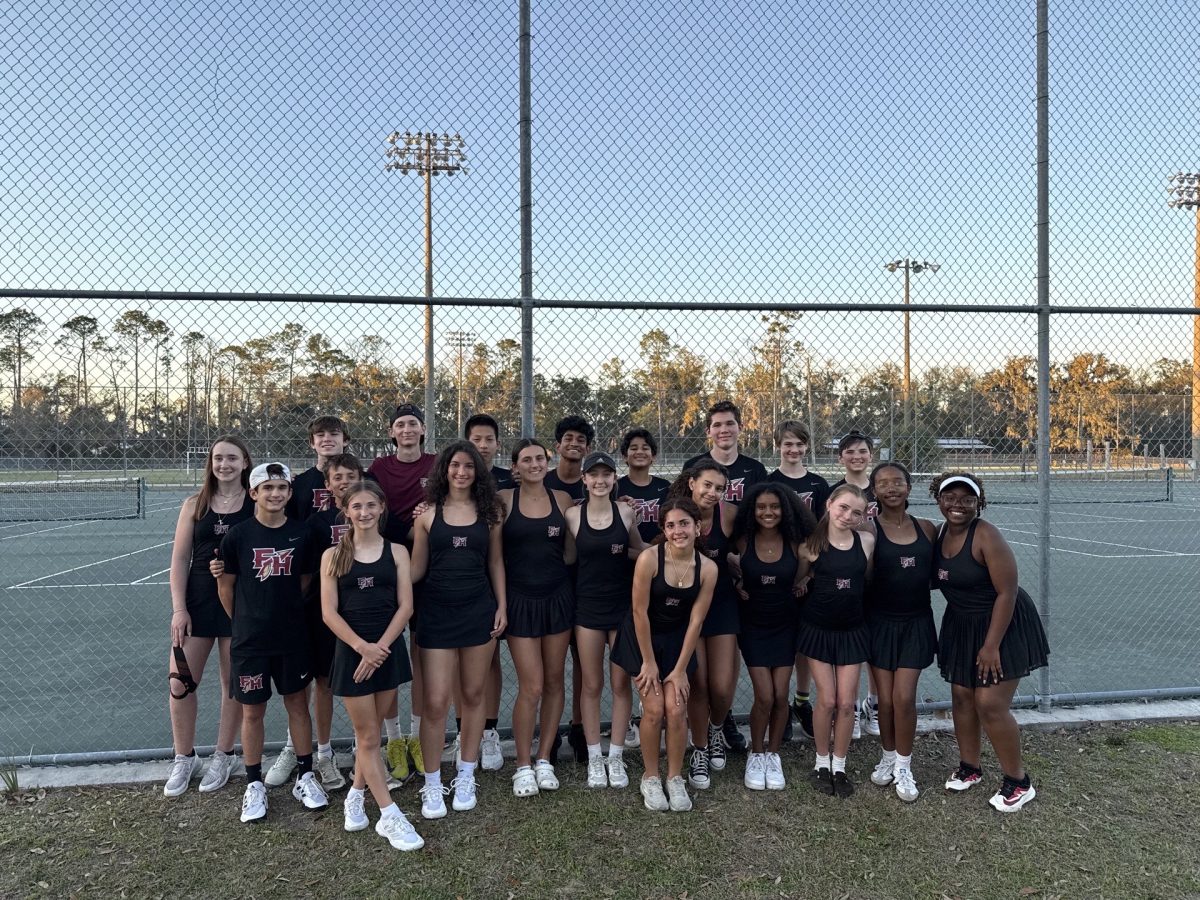
For many students, spring also means more outdoor activities, such as camping, fishing, sports and more. Warmer weather and longer days can encourage people to go outside and enjoy nature.
“I look forward to spring football when [the season] starts,” junior Mike Jones said.
However, pollen season can also have its downsides. Students who experience seasonal allergies can go every day with a stuffy nose, watery eyes, sneezing and coughing all the time. These symptoms can make it hard for students and teachers to focus on their schoolwork.
“Pollen makes me have a stuffy nose and sneeze all the time. It makes it hard to stay focused sometimes because I don’t feel good,” sophomore Emily Johnson said.
Health experts recommend simple steps to reduce pollen exposure, including checking daily pollen counts, keeping windows closed, washing hands or even changing clothes after doing outside activities, especially during days with high pollen levels.
Despite the challenges, many still look forward to the season. Pollen season marks the transition into warmer months and highlights the growth and renewal that come in the spring.
When you balance the pros and cons of spring, it makes for a great way to welcome the spring equinox.