





Following the U.S. takeover of Venezuela in January, the Trump administration has increased its restrictions on Cuba and cut off most of its oil supply. With Venezuela previously being a key ally to Cuba and its primary oil supplier, the United States has taken this opportunity to exacerbate this decades-long embargo on Cuba.
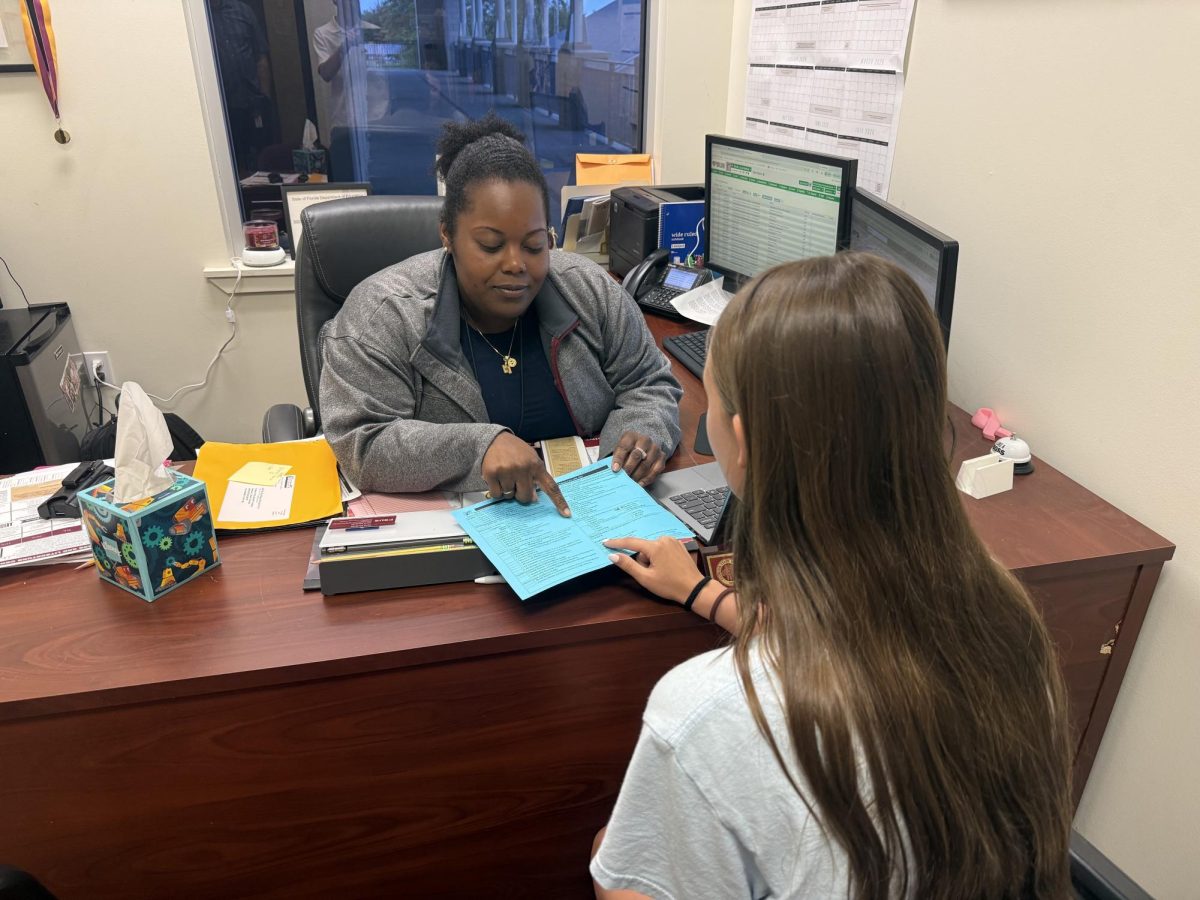
“The entirety of the 60-plus years of the blockade has been in waves of strongly enforced and not so strongly enforced,” AP Government teacher Debbie Whetstone said. “Nobody expected this to still be going on 60 years later.”
Gov. Ron DeSantis spoke of a regime change in Cuba being beneficial to the country and expressed hope that Cuban refugees in Florida would return to the island to help rebuild it on March 25.
“I grew up in South Florida, so I am familiar with the history of the Cuban refugees coming over in pickup trucks with flotation devices underneath them, loading down boats to cross the 90 miles,” Whetstone said. “We’ve always kind of tried to find a balance between providing a home for refugees and wanting to facilitate them going back to help effect change in their country. My experience living down south, most of the Cuban refugees, even at this point decades later, consider Cuba their home and believe they’ll someday be able to return.”
As current events develop, the way teachers and students analyze and understand history also changes.
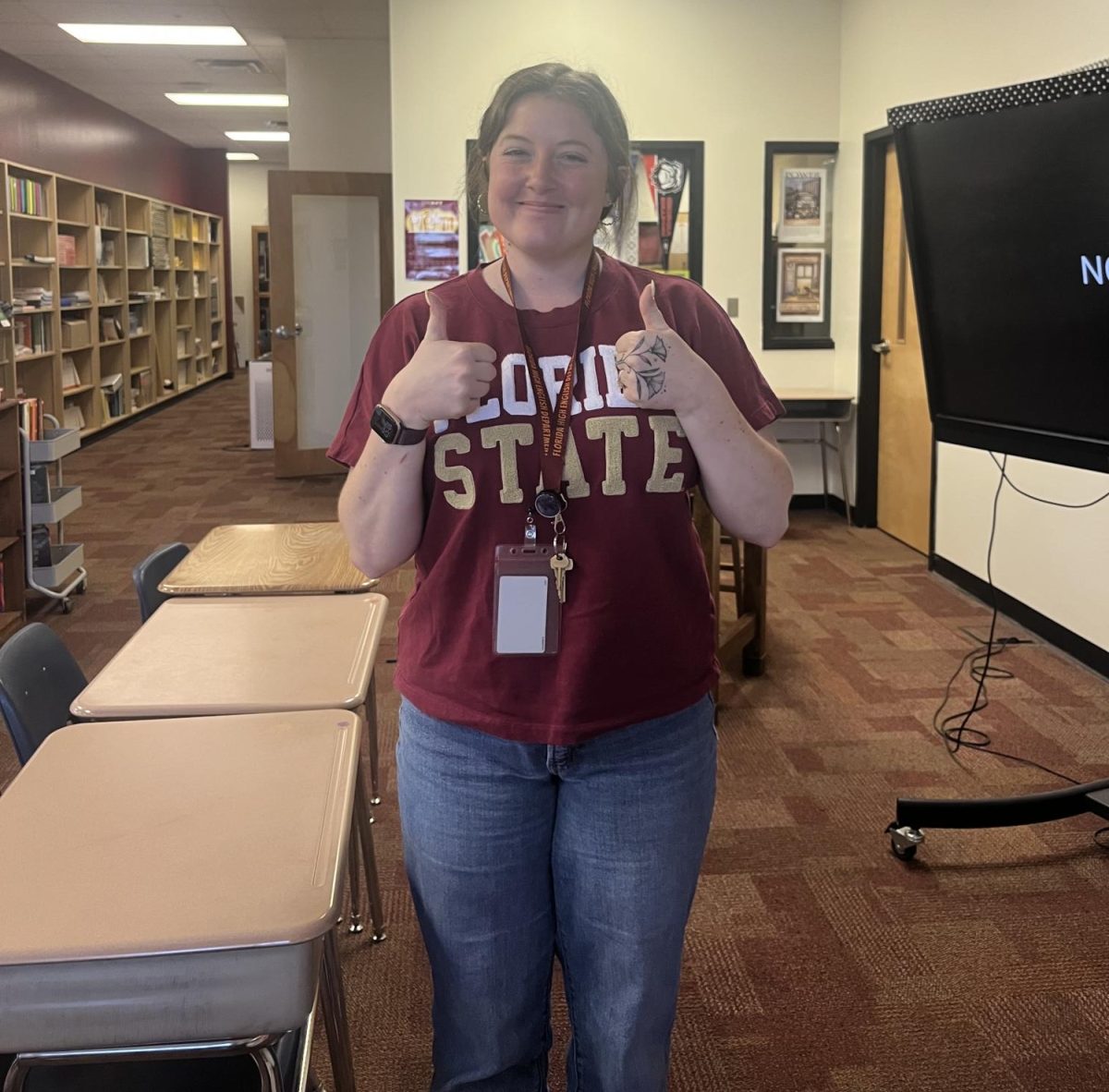
“I’ve been teaching now for 12 years…I used to teach World War I as the world learning that if you go out and imperialize, it doesn’t necessarily solve all your problems the way that we thought it did. We kind of learned that after World War II, if you go out and try to control everyone, if you go out and try these imperialist wars, bad things will typically happen,” AP World History teacher Jacob Roberts said. “We sort of forgot that lesson with Russia and Ukraine in 2022, where Russia really thought, ‘if we go and imperialize Ukraine, that will solve all our problems,’ and it hasn’t. And now, we find the United States making similar choices.”
These recent international conflicts set an uncertain stage for the future of America. However, even with numerous world events unraveling, there is still hope for the youth.
“With us [the United States] kind of playing police, I think it’s going to make more countries a little bit more timid when doing deals with us, especially in regards to international affairs,” sophomore Olivia Zinker said. “I wanted to stay in Florida [but] now knowing these things about the economy of the United States, I know a lot of people say they want to leave the country. [As a student,] it also made me go towards more of a law path.”
Educators are having to figure out how to simultaneously teach history in accordance with their regular curriculum while guiding students through these new events, which sometimes have conflicting messages.
“Ultimately, there are so many ways this can go. As a history teacher, it’s hard because we’re having to go back 100 years to figure out a similar case, and by golly, is it not the same as 100 years ago…The United States has done most of these things before, but not since 1945,” Roberts said. “Originally, it looked like the Russian-Ukraine thing [would become] a world war, [but] it hasn’t. I think that has, in some regards, emboldened some people…I don’t know if that’s a good or bad lesson.”
Despite the severity of the situation and the proximity of Cuba to Florida, the blockade has been receiving less attention than other current events.
“Because a lot of other stuff is happening on the news right now, [Cuba] is not really being talked about,” Zinker said. “I think everybody should be informed in their own way. I try not to use sources that aren’t credible to get my own information, like I get it from news sources and cross-checking them…but it’s hard because a lot of people get their information from TikTok or Instagram, and it’s mostly wrong.”
As the country navigates its complex relationship with Cuba, teachers and students alike remain anticipatory of how this may influence their futures, jobs and livelihoods.