

















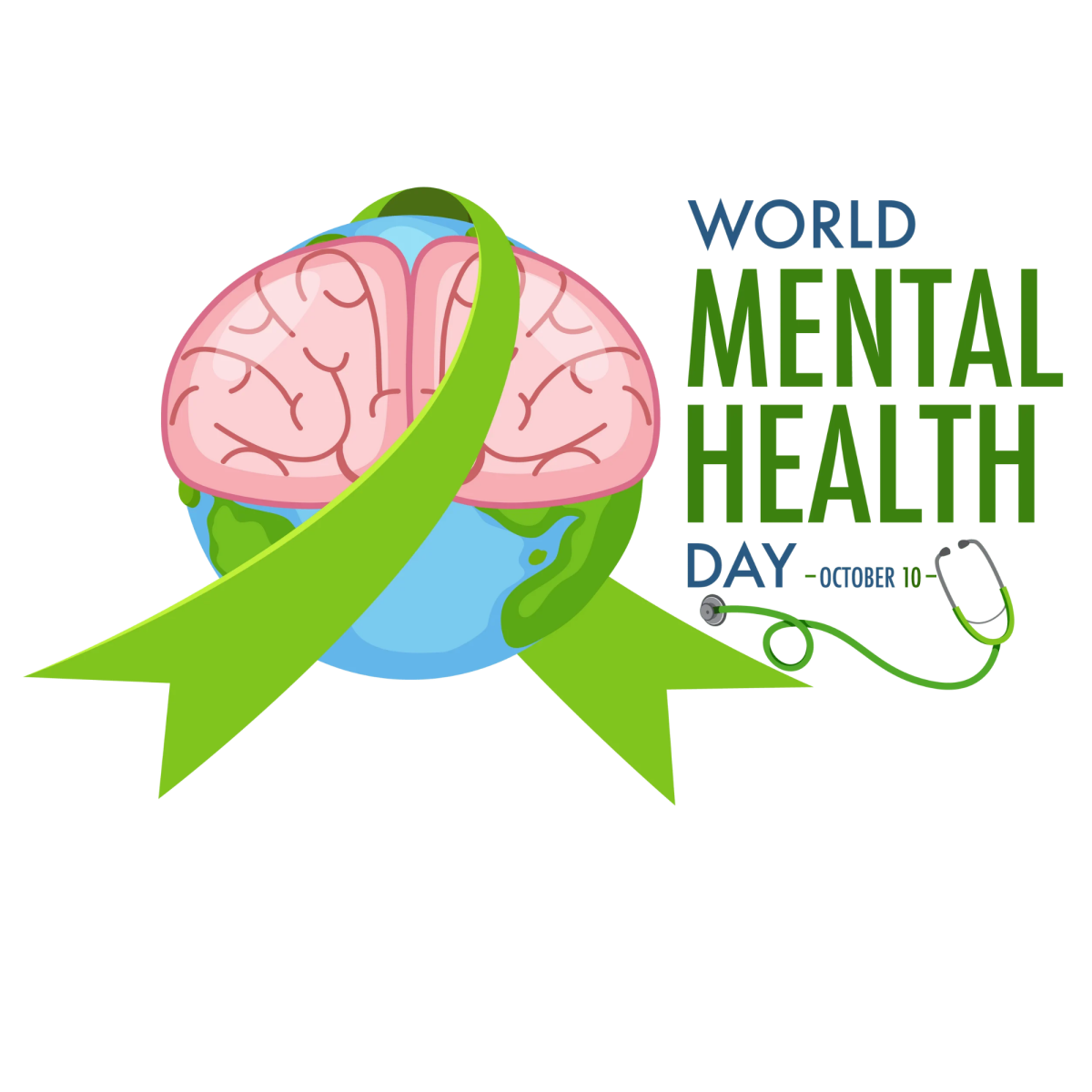
Every October, World Mental Health Day highlights the importance of mental well-being and encourages conversations about mental health. Students share their perspectives on stress, social media and the importance of supporting one another through challenges.
Mental health affects how people think, feel and handle everyday life. For high school students, balancing homework, tests, after-school activities and friendships can sometimes become stressful. World Mental Health Day encourages people to talk about mental health and reminds everyone that they are not alone.
“Mental health is taking care of yourself and also taking care of how you think about things, how you perceive things,” freshman Afolayemi Ibilaiye said.
Freshman Sahasra Ayyagari shared a similar view, explaining that mental health affects everyday activities and relationships. She emphasized the importance of checking on friends and making sure they feel supported.
“When someone’s going through a difficult week, we usually just try to let them know that we care for them, without trying to push them into talking about it, because it’s hard to talk about your feelings openly,” Ayyagari states.
Junior Adeline Osborne added that people do not always feel comfortable talking about their problems and sometimes including someone in activities or simply reminding them that you are there for them can make a difference.
The Impact of Social Media
As conversations about mental health continue, many students point to social media as one of the factors that can influence how teenagers feel about themselves and others. While platforms such as Instagram, TikTok and Snapchat help students stay connected, they can also contribute to insecurity, comparison and cyberbullying.
“People don’t post the bad things, only the good things, which can make you feel really bad because it makes it seem that no one else is going through anything, but that’s not true. On social media, you can really highlight people’s positivity, which makes others insecure,” Ibiaiye said.
Freshmen Luca Piris and Tristan Thompson also discussed how social media can have both positive and negative effects. While it helps friends communicate, it can also make teenagers compare their lives to others or experience online bullying.
“You can see what your friends are up to, but also you can get cyberbullied,” Piris said. Thompson added that social media makes it easier for people to compare themselves to others, but social media isn’t a real place.
Social media can create unrealistic expectations about appearance and what people believe their lives should look like. However, communities online can help people connect with others who have similar experiences. These responses show that social media does not always tell the full story of someone’s life.
Balancing school and mental health
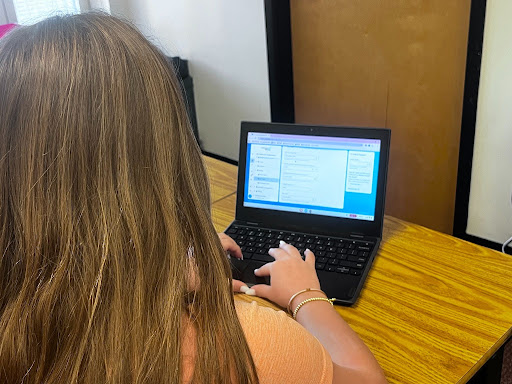
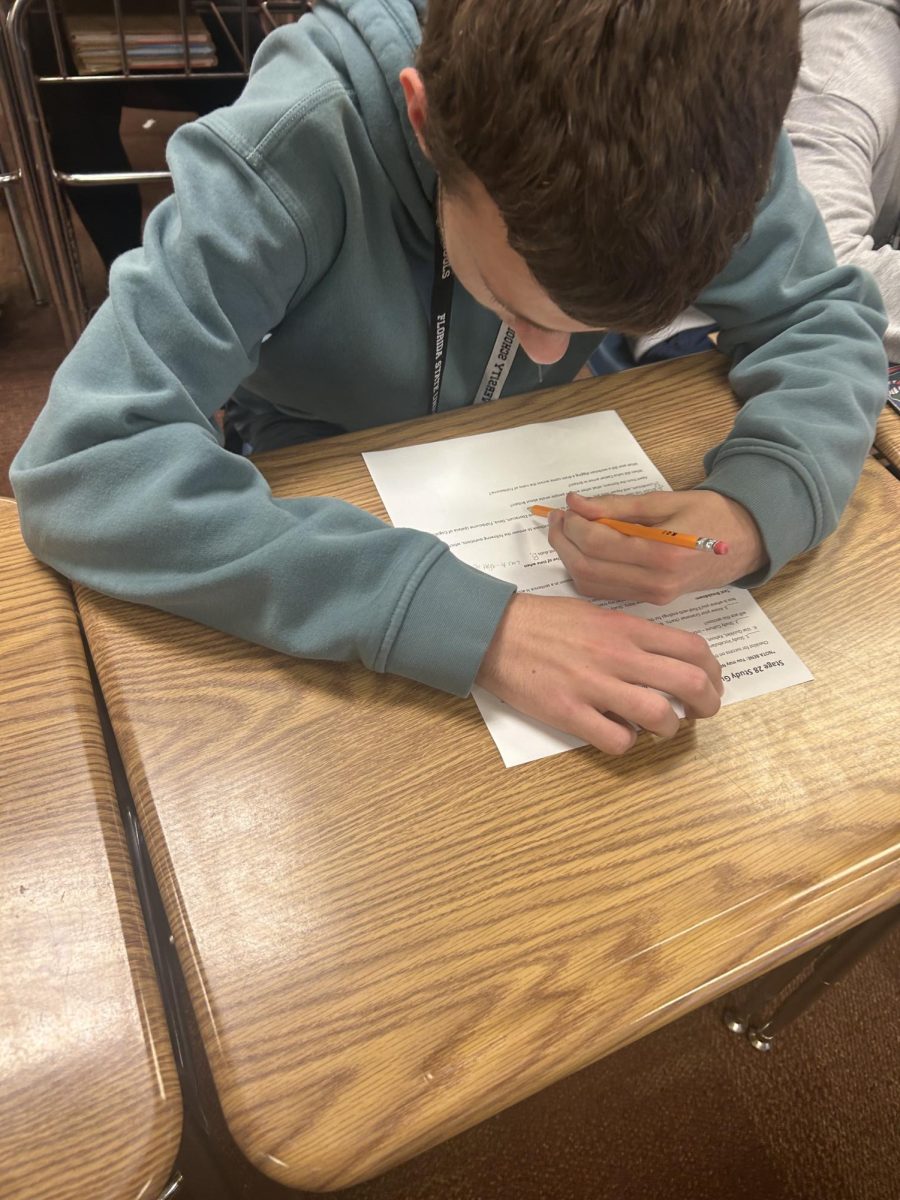
Academic pressure can make it difficult for students to find time for themselves. Homework, tests, and challenging classes can become overwhelming, especially for students who want to do well in school. Taking breaks helps many students manage their stress.
“If something is causing me too much stress, I walk away to review my notes before coming back to the assignment,” Thompson states.
Balancing schoolwork with friendships and personal interests is very important. Students should make time for activities outside of the classroom, such as attending football games or spending time with friends.
“Rewarding yourself with going to football games from working hard that week or not missing out on homecoming because in the end you don’t get to make up these high school memories. While it’s important to work hard in class, it is also important to maintain and improve a social life,” Osborne said.
Taking breaks does not mean students are giving up on their goals. Instead, it can help them manage their responsibilities while still making time for themselves.
The stigma
Although mental health is discussed at school, some students believe there is still a stigma surrounding the topic. Not everyone feels comfortable sharing personal struggles because they may worry about being judged or misunderstood.
“If you see a post that your friend made, but you’re not there, it makes you feel sad because you wonder why you weren’t included,” sophomore Ted Claiborne said.
Other students pointed out the importance of checking on friends, listening to their concerns and taking their problems seriously.
When asked what schools could do to improve mental health support, Ibilaiye suggested providing more opportunities for students to talk to people they feel comfortable with. Other students mentioned additional counseling support and anonymous ways to ask for help, especially for those concerned about bullying.
These suggestions show that students need different types of support. Some may feel comfortable speaking with a counselor, while others may prefer talking to a trusted friend, teacher, or family member.
More than October 10
For many students, World Mental Health Day is an opportunity to remind people that mental well-being deserves recognition. However, some believe that awareness should continue throughout the year.
Mental health awareness does not always require an event. It can start with checking on a friend, including someone who feels left out, or listening to someone without judging.
The student interviews showed that mental health is an important part of everyday life. Between academic pressure, social media, and personal challenges, teenagers can face many different causes of stress.
As October ends, students are reminded to take care of themselves and support the people around them. While World Mental Health Day helps bring attention to the issue, kindness, understanding, and open, meaningful conversations should happen and continue every day.
In the end, mental health awareness is about making sure people feel heard, supported, and comfortable asking for help when they need it.