














Freshman year often comes with a built-in safety net. High school is new, the environment is unfamiliar and teachers tend to give freshmen a bit of grace as they adjust. However, once sophomore year hits, that safety net disappears, and for many, sophomore year becomes the crucial pivot point.
For sophomore Troy Rubin, the shift from freshman to sophomore year wasn’t just about changing grades; it was a wake-up call to refocus and take control of his high school journey.
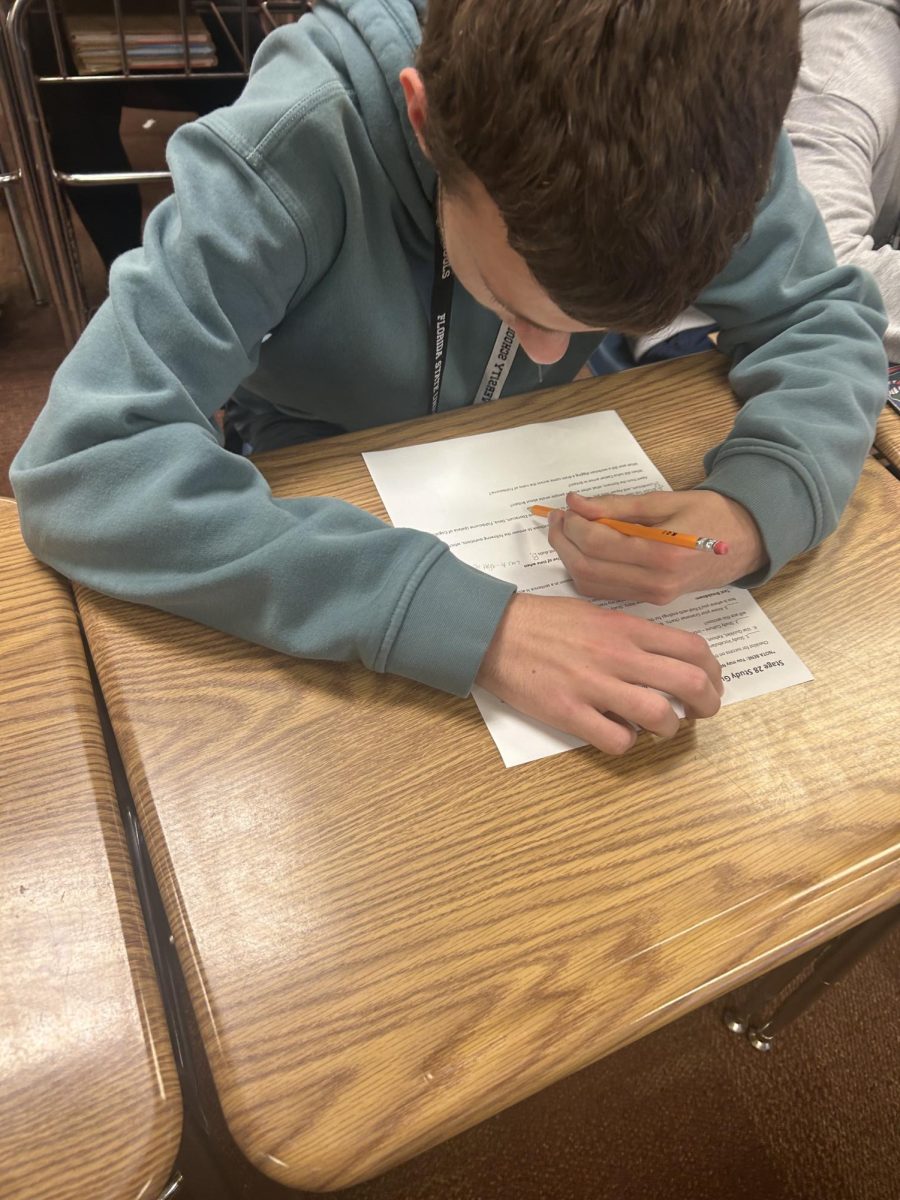
After struggling with his grades in freshman year, Rubin made a conscious decision to change his trajectory this year. “I locked in,” Rubin shared when reflecting on how his routine and study habits evolved.
That shift in mindset extended beyond the classroom and onto the basketball court. After taking a year off from the sport during his freshman year, Rubin is back, motivated by big ambitions. Looking up to his older brother, Michael, who is a sports executive at FSU basketball, Rubin has his eyes set on a clear goal: becoming a basketball manager both in high school and after graduation, just like his brother.
While many high schoolers debate whether the notorious “sophomore slump” is real, Rubin dismisses the idea entirely. To him, the real adjustment period happens in freshman year.
“Freshmen don’t know what’s coming up,” Rubin said, emphasizing that the safety net of freshman year is officially gone once you become a sophomore.
However, Rubin sees sophomore year not as a trap, but as a unique window of opportunity. While juniors and seniors face the heavy pressure of college applications and standardized testing, sophomores occupy a distinct middle ground.
According to Rubin, what makes sophomore year pressure unique is foresight. “We know ahead of time what is going to be us in the future, so we can prepare.”
He believes sophomore year is the ideal time for students to take risks and experiment. Freshman year is meant for observing how high school works, he noted, but by junior and senior year, students need to have a clear direction. Sophomore year acts as the bridge, the perfect moment to find your stride before the stakes get higher.
Despite the challenges of navigating high school, Rubin remains clear-headed about what matters most. For incoming sophomores and current freshmen trying to navigate their own paths, his advice is simple and direct: don’t let emotions or outside noise dictate your choices.
“Don’t let emotions and other people get the best of you,” Rubin advised. “Don’t let others make you fit into other crowds.”
As Rubin continues his sophomore year, his focused approach shows that taking ownership of your goals early on can make all the difference.